For many disabled people across the UK, the Motability Scheme is not just a leasing program; it is a gateway to independence. Being able to exchange a mobility allowance for a brand-new car, scooter, or powered wheelchair can be the difference between being trapped at home and being able to hold down a job, visit family, or simply run daily errands. However, as we move through 2026, the landscape of the scheme is undergoing its most significant transformation in a generation.
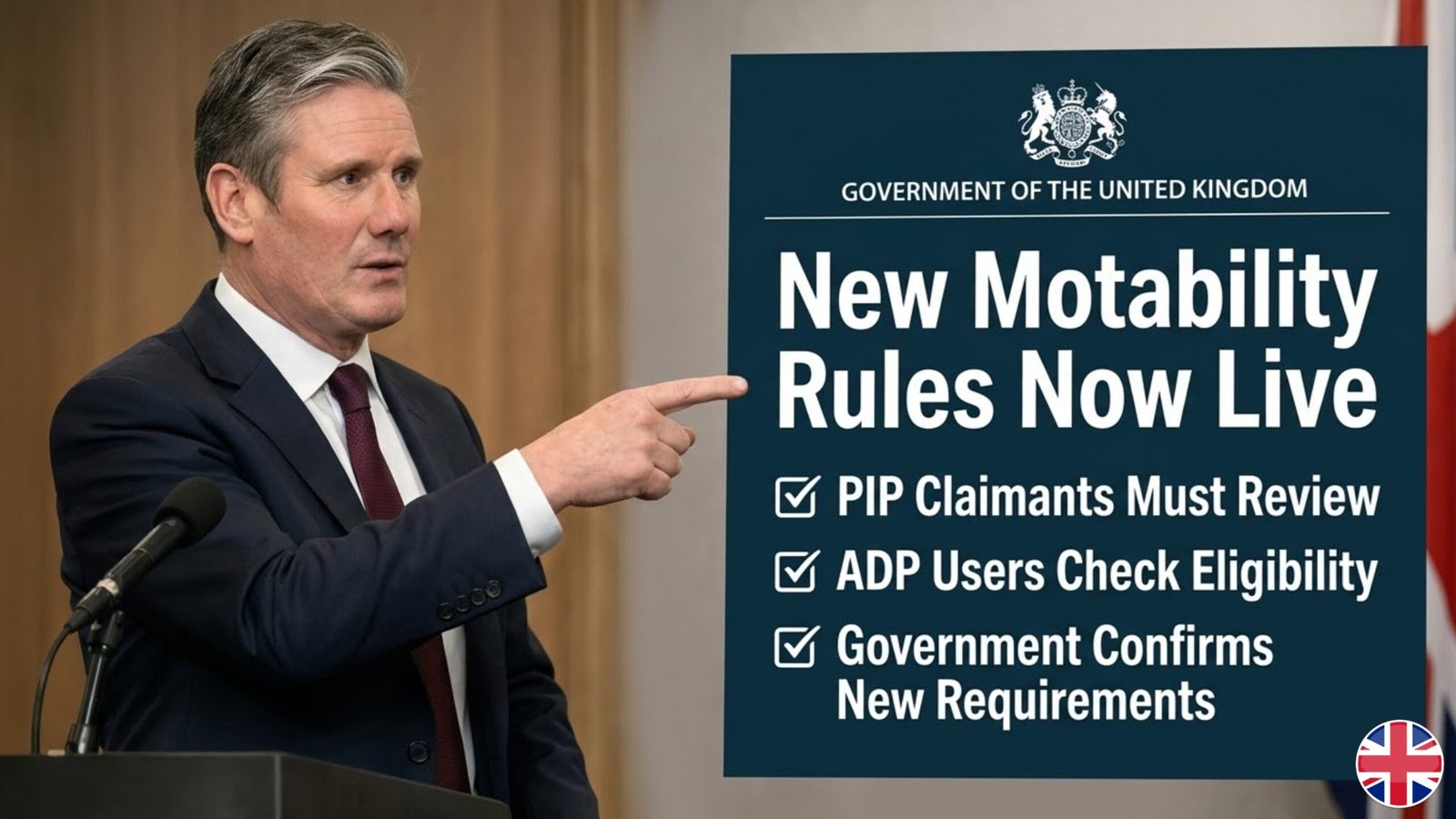
New rules and tax adjustments are now officially “live” or in their active transition phase, specifically affecting those claiming Personal Independence Payment (PIP) and the Adult Disability Payment (ADP) in Scotland. If you are currently a Motability customer or are considering joining the scheme, understanding these shifts is crucial to avoiding unexpected costs and ensuring you get the most out of your mobility award.
Why the Rules Are Changing Now
The primary driver behind these changes is a mix of government policy shifts and a desire to ensure the scheme remain sustainable. Over the last few years, the number of people using Motability has grown rapidly. In response, the DWP and Motability Operations have had to rethink how the scheme is funded and what kind of vehicles are offered.
The goal, according to official statements, is to focus the scheme on “value and purpose” rather than luxury. For years, critics of the scheme pointed to the availability of high-end, premium brands as a sign that the system was being stretched too far. Consequently, the new framework moves away from “prestige” vehicles and focuses on practical, accessible, and affordable transport solutions that serve the core needs of disabled drivers.
The Inclusion of Adult Disability Payment
One of the most important updates for 2026 is the full integration of the Adult Disability Payment (ADP). For claimants in Scotland, ADP has almost entirely replaced PIP. The new Motability rules now formally recognize ADP as a primary qualifying benefit, ensuring that Scottish claimants have the exact same rights and access to the scheme as those on PIP in England, Wales, and Northern Ireland.
This transition has also introduced longer-term award durations for some ADP claimants with stable conditions. This is a massive win for disabled people, as it provides greater security for long-term leases. Under the new rules, if you have an indefinite or long-term ADP award, the process of renewing your lease every three years has been streamlined to reduce the administrative burden.
Tax Adjustments and the July Deadline
While many of the “usage” rules are live now, a major financial shift is looming for July 2026. The government has confirmed that VAT will now apply to “Advance Payments” on many vehicles. Previously, these upfront costs were zero-rated for VAT, but moving forward, a 20% tax will be applied to the top-up payments made for more expensive models.
Furthermore, Insurance Premium Tax (IPT) is being introduced on the insurance portion of the Motability lease. While Motability is working hard to absorb some of these costs, they have warned that the average Advance Payment could rise by approximately £400 across the life of a three-year lease. This makes the first half of 2026 a “golden window” for claimants to lock in a lease before these tax hikes fully take effect.
Protection for Wheelchair Accessible Vehicles
There is a silver lining for those with the most significant mobility needs. The new rules explicitly protect Wheelchair Accessible Vehicles (WAVs) and vehicles that have been “substantially and permanently” adapted. These vehicles will remain exempt from the 20% VAT on Advance Payments.
This is a vital safeguard. The costs of converting a vehicle for a wheelchair user or a stretcher are already high, and the Motability Foundation has committed to continuing its grant programs to help cover these costs. If you require a WAV, your financial position within the scheme is much more protected than those looking for a standard hatchback or SUV.
The Shift Away from Luxury Brands
If you have been browsing the Motability car list recently, you may have noticed some famous names missing. Brands like BMW, Mercedes-Benz, and certain high-end Audi models have been phased out under the new “Value for Money” directive.
The focus has shifted toward manufacturers that offer practical, high-tech, and often electric options—such as Hyundai, Kia, MG, and Ford. While some may miss the prestige of a luxury badge, the new rules ensure that the vehicles remaining on the list are better equipped with modern safety features and better fuel economy (or battery range), which ultimately benefits the user’s pocket in the long run.
New Rules for Named Drivers
Misuse of the Motability Scheme has been a headline-grabbing topic, and the 2026 rules have introduced stricter oversight for “Named Drivers.” For many claimants, they do not drive the car themselves; instead, they have a carer or family member who drives for them.
The new rules state that the car must be used for the sole benefit of the disabled person. While this has always been the spirit of the law, HMRC and the DWP are now using more advanced telematics (tracking technology) in some cases to ensure the car is being used appropriately. If a car is consistently being driven miles away from the claimant’s home for non-essential purposes, the lease could be terminated. It is now more important than ever to ensure that your named drivers understand they are part of a support system, not a free car scheme for themselves.
Transition Support if Benefits Are Stopped
Perhaps the most compassionate change in the new rules is the “Transitional Support Package.” In the past, if a PIP or ADP reassessment went badly and a claimant lost their enhanced mobility rate, they often had to return their Motability car almost immediately. This could leave a disabled person stranded without warning.
Under the 2026 framework, if you lose your eligibility following a DWP review, you may be eligible for a transition period. This allows you to keep the vehicle for a set number of weeks while you appeal the decision or make alternative arrangements. In some cases, there is even a financial grant available to help you purchase a used car so that you don’t lose your independence overnight.
Electric Vehicles and Charging Infrastructure
The UK’s move toward net-zero is heavily reflected in the new Motability rules. Claimants are being strongly encouraged to choose Electric Vehicles (EVs). To make this transition easier, the scheme currently includes the cost of a home charging point and its installation at no extra charge.
For those who cannot have a charger at home—perhaps because they live in a flat or don’t have a driveway—the new rules provide access to a subscription-based public charging network. This is a significant perk that many able-bodied drivers would envy, but it is designed to overcome the “range anxiety” that many disabled people feel when considering the switch to electric.
How to Join the Scheme in 2026
To join the scheme under the current rules, you must have at least 12 months remaining on your qualifying allowance. This includes the Enhanced Rate of the Mobility Component of PIP or ADP. Since the 2026 benefit rates have increased (with the Enhanced Mobility rate now at £80.00 per week), the “value” of the award you are exchanging is higher than ever.
The process remains relatively simple: you visit a participating dealer, choose a vehicle, and the DWP pays the mobility portion of your benefit directly to Motability. If you choose a car with a high Advance Payment, you pay that once at the start, and the rest is covered.
Maintaining Your Lease and Mileage Limits
Another subtle change in the 2026 rules involves mileage. While the standard 60,000-mile limit over a three-year lease remains for most, Motability is now offering more flexible options for those who do very low or very high mileage.
If you find that you are not using the car as much as expected, you may be able to earn a “Good Condition Bonus” at the end of the lease, which has been increased this year to encourage people to look after their vehicles. Conversely, if your disability requires you to travel long distances for medical appointments, you can now apply for mileage extensions more easily than under the old system.
Preparing for the Future of Disability Motoring
The Motability Scheme is undoubtedly in a period of evolution. The introduction of VAT on top-ups and the removal of luxury brands mark a move toward a more “utilitarian” system. However, the core promise remains: to provide a worry-free motoring package that includes insurance, breakdown cover, servicing, and tires.
For PIP and ADP claimants, the best advice for 2026 is to act sooner rather than later. By securing a lease before the July tax changes, you can save hundreds of pounds. More importantly, by staying informed about the new rules regarding named drivers and usage, you can protect your lease and ensure your independence is never put at risk.